Malta’s tourism performance continues to build on successive record-breaking years, with strong growth not only in visitor arrivals but—more importantly—in visitor spending.
2025 has maintained exceptional momentum.
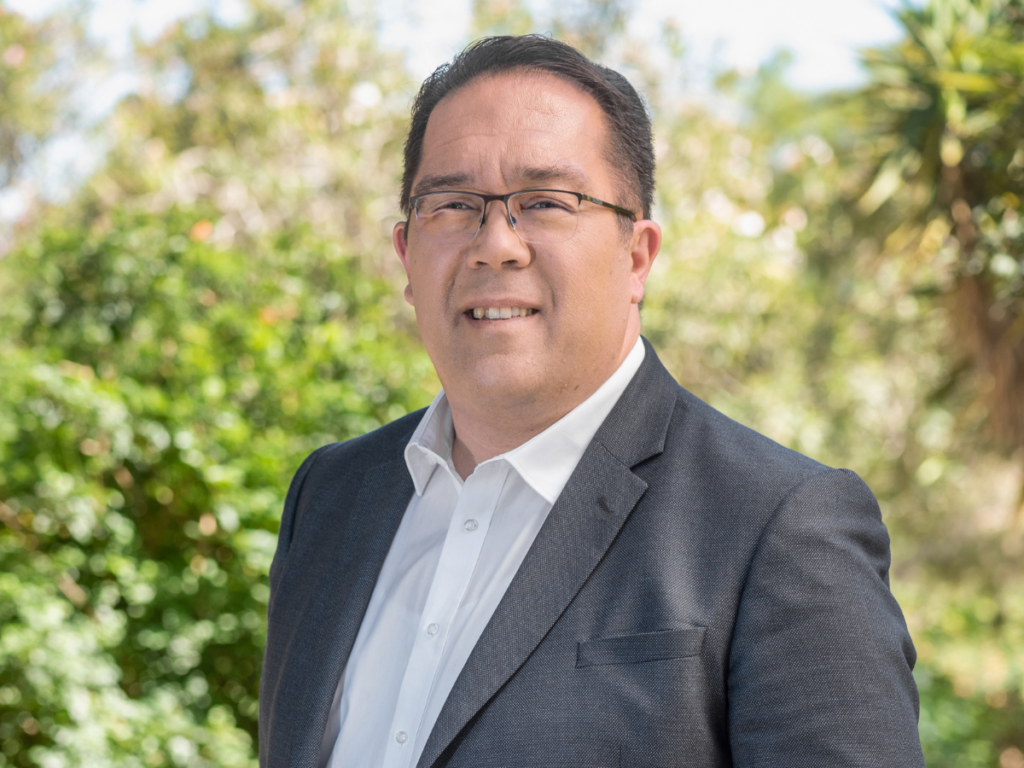
“To date, we are running at around 12% up on last year in arrivals, but the more important factor is expenditure, which is up by 22%,” explains Carlo Micallef, CEO of the Malta Tourism Authority (MTA).
“It is our strategy to attract tourism that spends more in the country, to achieve a better yield,” Micallef adds, noting that Malta is on track to approach 4 million visitors this year and significantly exceed last year’s tourism income.
Behind these results is a sustained upgrade of Malta’s tourism product—both in infrastructure and service quality.
Micallef points to strong reinvestment across the industry: hotel refurbishments, digitalisation, operational improvements and continuous training.
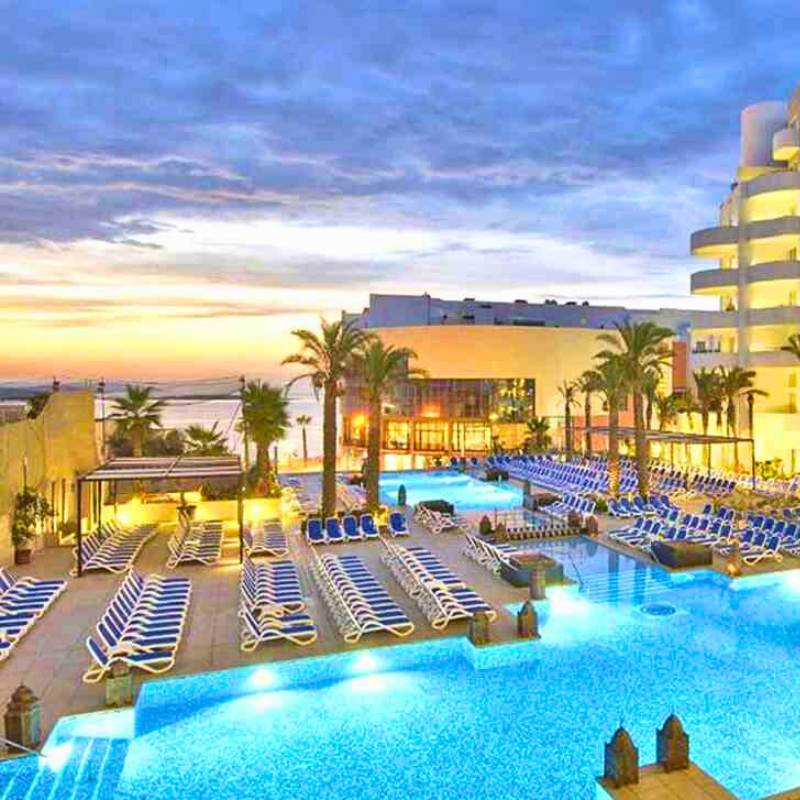
“The private sector is doing very good profits and investing a lot in improving the facilities and also in human resources,” he says.
“Success breeds success.”
At the same time, Malta is actively reshaping its seasonal balance.
Growth is being steered toward winter and shoulder months through targeted development of niche segments such as MICE, wellness, gastronomy, active holidays, culture and heritage-led experiences.
“Our strategy has been to limit the rate of growth in summer and increase the rate of growth in the winter and shorter periods,” Micallef explains.
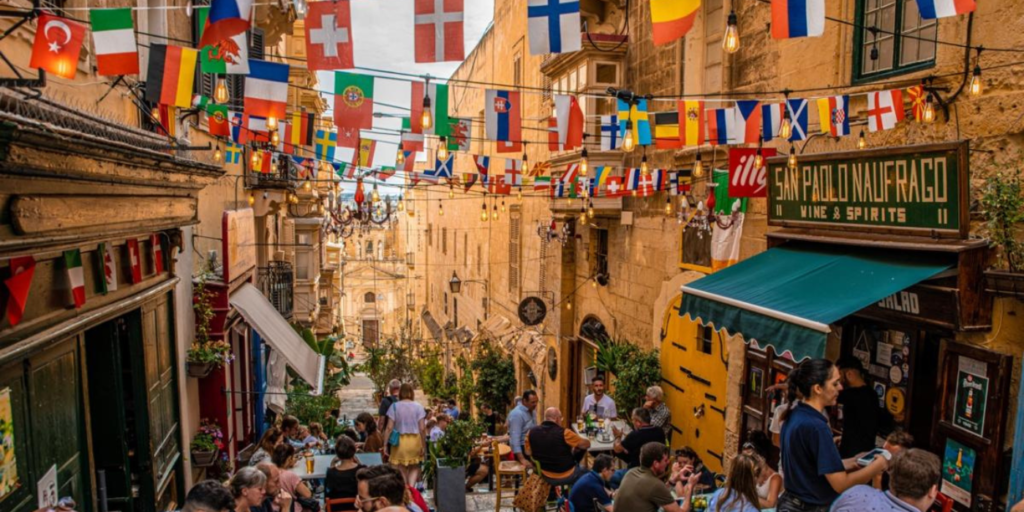
With an expanding calendar of festivals, events and training camps, Malta is positioning itself as a destination that stays vibrant all year round.
For many travellers, Malta’s appeal also lies in experiences that reconnect people with authenticity and nature—an increasingly important differentiator for high-spending visitors.
From farm-to-fork and heritage storytelling to immersive cultural programming, the country is evolving from a traditional sun-and-sea destination into one shaped by meaning, memory and discovery.
Connectivity remains another critical driver.
As an island destination, Malta’s growth depends on strong air links—and Micallef highlights a major new milestone:
“The latest achievement that we got is to get Delta Airlines to fly from JFK to Malta, direct non-stop,” he says, describing it as a catalyst for wider long-haul expansion.
In the GCC, Malta’s engagement is deepening through stronger airline partnerships and targeted promotion.
Qatar Airways has resumed year-round flights, and collaboration with Emirates has expanded across B2B and B2C campaigns.
“We see both Doha and Dubai not only as point-to-point routes, but as hubs from the region,” Micallef explains, supporting travel from the Middle East as well as Asia and Australia.
MTA’s strategy in the region focuses on MICE, corporate travel and luxury segments, working with networks such as Virtuoso to reach discerning travellers.
Looking ahead, Malta is preparing to elevate its global profile further by hosting the WTTC Global Summit in October 2026.
“It is a very prestigious event that will put Malta on the map with world leaders in travel and tourism,” Micallef says, noting its potential to attract investment and shape future-facing conversations.
He also points to plans for a new multi-purpose convention centre, designed to expand Malta’s ability to host larger conferences, exhibitions and events—especially in the winter season.
For travellers and partners from the GCC, the message is clear: Malta is growing, upgrading and opening new doors for collaboration.
“We have the authenticity of Malta, the story of Malta, the spirit of Malta for them to discover,” Micallef says.
“The luxury we want to promote is the luxury that gets you back in contact with nature—the luxury that helps you forget life’s troubles, and something you will remember.”
Plan your trip now:
Or visit: www.visitmalta.com
Email: info@visitmalta.com
Telephone:+356 22915000
Adress: Malta Tourism Authority, SCM Building 01, Suites 301-306, SmartCity, Ricasoli, Kalkara, Malta SCM1001