Prof. Edward Scicluna - Former Governor of the Central Bank of Malta
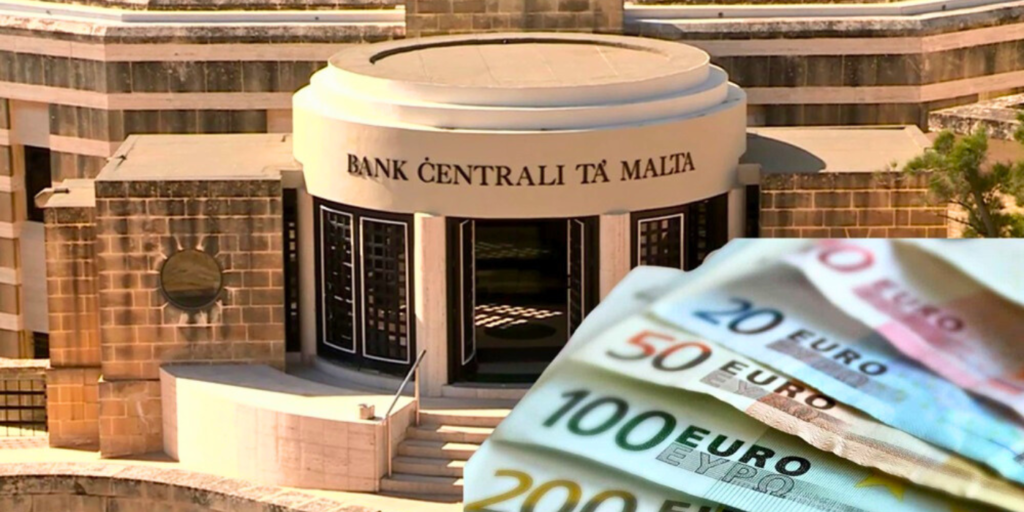
Malta’s strength as an international financial centre rests not only on innovation and market access, but on the credibility of its institutions and the confidence they inspire. The country has reached a level of institutional maturity that allows it to compete internationally while remaining resilient in a volatile global environment.
“We have the infrastructure, the institutions and the professional expertise expected of an advanced economy,” says Edward Scicluna, Governor of the Central Bank of Malta. “That provides a solid foundation for investors seeking predictability and long-term stability.”
As a member of the Eurozone, Malta benefits from the strength of the single currency and the credibility of the Eurosystem. Monetary and financial stability remain central priorities, underpinned by close coordination between the Central Bank, supervisory authorities and European institutions.
This framework, Scicluna notes, is essential for safeguarding trust—an asset he considers fundamental to any successful financial centre.
Innovation continues to shape the financial ecosystem, particularly in payments, data-driven analysis and emerging digital finance applications. The Central Bank actively engages at European and international levels to ensure that technological progress is matched with sound governance, clear frameworks and prudent oversight.
“Innovation must move forward, but always with trust and stability at its core,” Scicluna explains.
Looking ahead, Malta’s strategic location and outward-looking mindset position it well for deeper global collaboration. Strong ties with Europe, combined with proximity to North Africa and growing engagement with the Middle East, create opportunities for meaningful partnerships.
“Malta’s role is to listen, cooperate and build bridges,” Scicluna concludes. “That approach is what allows investors and institutions to feel at home—and to grow—with confidence.”